

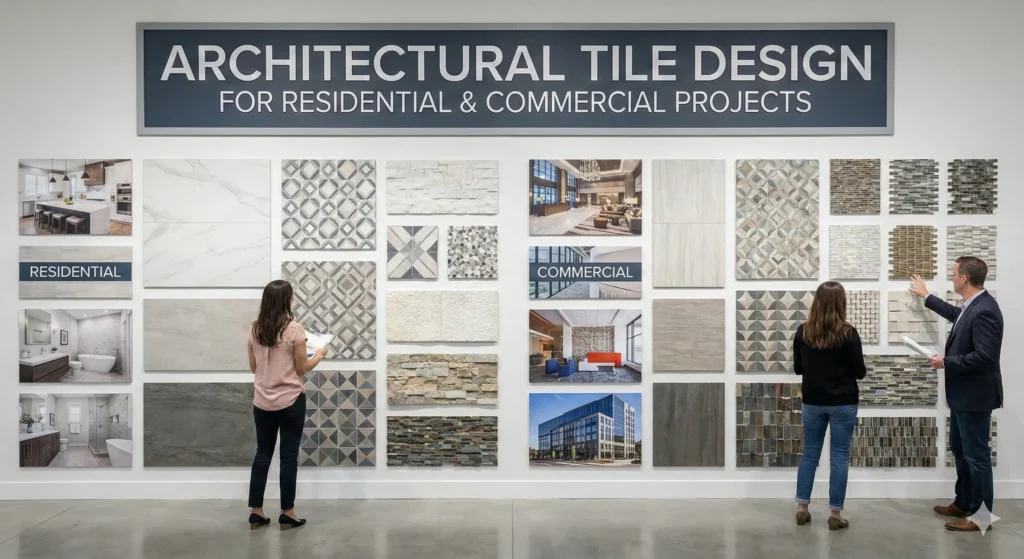
Architectural Tile Design for Modern Residential & Commercial Projects That Combine Luxury, Durability, and Contemporary Style
- Before Architecture Is Admired, We Experience Its Surfaces First
- What Architectural Tile Design Really Means
- Three Must Haves for Modern Residential & Commercial Spaces
- Residential Projects: Where Architectural Tiles Shape Daily Living
- Commercial Projects: Where Performance Meets Perception
- Large Format Tiles & Slab Thinking
- Material Intelligence: What Makes a Tile “Architectural Grade”
- Design Continuity: Interior to Exterior Integration
- Sustainability & Long Term Value
- How Tree Tile Approaches Architectural Tile Design
- Questions to Ask Before Finalizing Architectural Tiles
- The Final Word on Choosing Architectural Tiles for Modern Projects
- Bonus Insight: What Architects Notice About Tiles That Most People Don’t
At Tree Tile, architectural tile design is more than aesthetics; it is about creating surfaces that combine luxury, durability, and contemporary style for modern residential and commercial projects. With strong expertise in porcelain and large format tiles, we work closely with architects and developers to deliver materials that perform for years, not seasons. Recognized by the Government of India as a 1 Star Export House, Tree Tile stands for quality, precision, and global standards in architectural tile solutions.
Before Architecture Is Admired, We Experience Its Surfaces First
Before we notice the height of a ceiling or the shape of a structure, we notice what surrounds us. The texture of a lobby wall. The smooth firmness of a staircase underfoot. The quiet confidence of a perfectly finished floor.
Surfaces are the first point of contact between people and architecture. They influence how a space feels; warm or cold, refined or ordinary, welcoming or distant. Even without realizing it, we judge a building through the materials we see and touch.
This is why architectural tile design is not decoration. It is material level decision making that defines how a space performs, ages, and is remembered over time.
What Architectural Tile Design Really Means
Architectural tile design is often misunderstood as just a style choice. In reality, it is a structural and performance decision made early in a project.
Decorative tiles are usually selected to enhance appearance; patterns, colors, or finishes chosen after major construction decisions are complete. Architectural tiles, however, are specified during the planning stage. Architects consider where the tile will be used, how much foot traffic it will handle, how it will react to moisture or weather, and how long it is expected to last.
In high traffic areas like lobbies, corridors, and commercial floors, tiles must resist wear and maintain their finish. In exterior spaces, they must handle climate exposure; heat, rain, and temperature changes. In staircases and transitional areas, strength and slip resistance become critical.
Architectural tiles are chosen with long lifecycle thinking in mind, often 10 to 20 years or more. They are not temporary surface upgrades; they are long term material decisions.
Architectural tiles are selected before furniture, not after paint.
Three Must Haves for Modern Residential & Commercial Spaces
Luxury Without Excess
Luxury today is quiet and refined. It is not about heavy patterns or glossy distractions.
Clean, balanced finishes
Large format tiles that reduce visual breaks
Seamless visual flow across floors and walls
Subtle textures that add depth without overpowering
True luxury feels effortless. It supports the architecture instead of competing with it.
Durability Without Compromise
A surface must perform as beautifully as it looks.
High resistance to heavy footfall
Protection against stains and daily wear
Strong water resistance for kitchens, bathrooms, and outdoor areas
Reliable weather performance for exterior applications
In both residential and commercial spaces, durability ensures the design remains intact for years, not just months.
Contemporary Style Without Trend Fatigue
Modern style should feel current without becoming outdated too quickly.
Neutral, adaptable color palettes
Natural stone and concrete inspired surfaces
Minimal grout lines for cleaner visual continuity
Balanced matte finishes that reduce glare and enhance comfort
The goal is timeless relevance; surfaces that stay modern long after trends shift.
Residential Projects: Where Architectural Tiles Shape Daily Living
Living Rooms: Visual Continuity & Feature Presence
In living areas, tiles often set the foundation for the entire interior. Large format flooring creates smooth visual flow, while subtle feature walls add depth without overwhelming the space. The goal is continuity, surfaces that connect walls and floors seamlessly, making the room feel open and intentional.
Bathrooms: Spa Like Minimal Surfaces
Modern bathrooms demand calm and simplicity. Architectural tiles with balanced matte finishes and minimal grout lines create a clean, spa like atmosphere. Water resistance and low maintenance become just as important as aesthetics, ensuring the space remains fresh over time.
Kitchens: Hygienic and Impact Resistant
Kitchens are functional zones where surfaces must handle daily activity. Tiles here need to resist stains, moisture, and impact while maintaining a refined appearance. A well chosen surface makes cleaning easier and preserves the design integrity of the space.
Outdoor Terraces: Safe and Weather Ready
Exterior residential areas require anti slip performance and strong weather resistance. Architectural tiles for terraces must handle rain, heat, and regular use without fading or deteriorating, while still matching the overall design language of the home.
Staircases: Structural Visual Alignment
Staircases connect levels physically and visually. Using consistent tile finishes across treads, risers, and adjoining walls creates structural alignment and a cohesive architectural feel. Strength and slip resistance are essential in these transition areas.
Commercial Projects: Where Performance Meets Perception
Hotel Lobbies: The Psychology of First Impressions
A hotel lobby sets the tone within seconds. Guests may not analyze materials consciously, but they feel quality immediately. Large format tiles, refined finishes, and seamless flooring contribute to an atmosphere of confidence and comfort. The surface must remain flawless despite luggage wheels, heavy foot traffic, and continuous cleaning.
Corporate Offices: Expressing Professional Identity
Office spaces reflect a company’s credibility. Clean, balanced surfaces communicate order and professionalism. Architectural tiles in reception areas, corridors, and meeting spaces must combine visual restraint with durability, ensuring the environment remains polished over years of use.
Retail Showrooms: Surfaces That Support the Product
In retail environments, surfaces act as a backdrop. They should enhance merchandise without distracting from it. Neutral palettes, stone inspired textures, and minimal grout lines create a controlled environment where products stand out while the flooring withstands constant movement.
Healthcare Facilities: Cleanability and Strength
Hospitals and clinics require materials that are easy to maintain and resistant to stains, moisture, and wear. Tiles must support strict hygiene standards while maintaining structural integrity under frequent cleaning and heavy equipment movement.
Public Infrastructure: Built for Long Term Maintenance
Airports, transit stations, and public buildings experience continuous use. Here, durability and maintenance practicality become central. Surfaces must handle high footfall, resist damage, and remain visually consistent over long periods.
Large Format Tiles & Slab Thinking
Fewer grout lines create visual calm
When tile sizes increase, the number of joints reduces. This results in cleaner surfaces, less visual interruption, and a more continuous appearance across floors and walls. In both residential and commercial projects, this continuity supports modern minimal architecture.
Maintenance becomes simpler
Fewer grout lines also mean fewer areas where dirt and moisture can collect. This makes cleaning easier and helps maintain the surface appearance over time, especially in high traffic or moisture prone areas.
The aesthetic feels more refined
Large slabs create a broader canvas for stone inspired or concrete inspired finishes. The result is a more seamless and premium visual effect, particularly in living rooms, hotel lobbies, and corporate spaces.
They align with contemporary architecture
Modern design emphasizes clean lines, open layouts, and material continuity. Large format tiles support this approach by visually expanding spaces and reducing surface fragmentation.
Material Intelligence: What Makes a Tile “Architectural Grade”
Porcelain Body Density
Architectural grade tiles are often made from high density porcelain. A denser body means the tile is compact, less porous, and structurally stronger. This improves resistance to wear, impact, and long term surface damage.
Water Absorption Rate
Low water absorption is a key indicator of durability. Porcelain tiles typically have very low absorption rates, which makes them suitable for bathrooms, kitchens, outdoor areas, and high moisture environments. Lower absorption generally means better resistance to staining, cracking, and weather related stress.
Slip Resistance Ratings
In areas like staircases, terraces, commercial lobbies, and public spaces, slip resistance becomes critical. Tiles are tested and rated for grip under dry and wet conditions. Choosing the correct finish ensures both safety and compliance with project requirements.
Thickness and Structural Strength
Tile thickness contributes to overall strength and load bearing capacity. Heavier traffic areas often require tiles that can withstand pressure without cracking or chipping. Strength ratings help determine suitability for commercial floors and public infrastructure.
Surface Finish Durability
A tile’s finish should maintain its look despite regular cleaning, foot traffic, and environmental exposure. High quality glazes and finishes are designed to resist fading, scratching, and surface wear over time.
Design Continuity: Interior to Exterior Integration
Indoor Outdoor Flow: Using similar or coordinated tiles across living rooms, balconies, terraces, and garden areas creates a seamless transition. When floor levels and finishes align, spaces feel larger and more connected. This approach strengthens the architectural experience rather than breaking it into isolated zones.
Same Tile Series Across Zones: Many architectural tile collections are designed with multiple finishes; for example, a matte interior surface and a higher grip exterior version within the same series. This allows designers to maintain visual consistency while adjusting performance according to location.
Visual Harmony in Elevations: Exterior walls and façades play a major role in defining a building’s identity. When the material language of the façade relates to interior flooring or wall finishes, the building feels cohesive rather than fragmented.
Unified Material Language: Architectural design benefits from restraint. Repeating complementary textures, tones, and finishes across spaces creates clarity and balance. Instead of introducing too many materials, thoughtful continuity allows architecture to feel intentional and complete.
Sustainability & Long Term Value
True sustainability in architectural tile design begins with durability. Tiles that are built to last 10–20 years or more reduce the need for frequent replacement, which in turn lowers material consumption and construction waste. A longer life cycle means fewer renovations and less environmental impact over time.
High density, low absorption surfaces are also easier to maintain, often requiring less aggressive cleaning and fewer chemical treatments. Strong, reliable materials minimize cracking and surface damage, reducing waste and ensuring long term value for both residential and commercial projects.
How Tree Tile Approaches Architectural Tile Design
At Tree Tile, architectural tile design begins with careful selection, not mass offering. Our collections are curated for both modern residential and commercial projects, ensuring that each surface balances refined aesthetics with measurable durability. Every design is chosen with purpose to support clean architecture, seamless layouts, and long term visual clarity.
We offer large format options that align with contemporary minimal design, along with performance focused porcelain surfaces suited for Indian conditions and global standards. Rather than following short term trends, Tree Tile focuses on materials that perform consistently over time, surfaces that remain relevant, reliable, and architecturally sound for years to come.
Questions to Ask Before Finalizing Architectural Tiles
What is the expected footfall?
Will the area experience light residential use or heavy commercial traffic? Higher footfall demands stronger, wear resistant surfaces.
Is the application interior or exterior?
Exterior areas require weather resistance and anti slip performance, while interiors may prioritize finish and comfort.
What level of maintenance is acceptable?
Some spaces allow frequent upkeep; others need low maintenance surfaces that stay clean with minimal effort.
What are the lighting conditions?
Natural and artificial lighting can affect how finishes appear. Matte, textured, or subtle surfaces often perform better under varied lighting.
How long should this surface last?
Is the goal short term renovation or long term stability? Architectural grade tiles are typically chosen with a 10–20 year vision in mind.
The Final Word on Choosing Architectural Tiles for Modern Projects
Buildings are remembered by how they age, and materials define longevity. The right tile selection, whether a marble look luxury tile, a refined wall tile, classic subway tile, or a premium tile for countertops and backsplashes makes architectural intent stronger and more durable over time. From a kitchen backsplash to large commercial floors, quality ceramic tile and porcelain surfaces offer both performance and natural look without excess.
For every homeowner exploring options, this guide highlights the importance of craftsmanship, durable materials, and thoughtful design assistance. As a responsible manufacturer, Tree Tile provides expert advice to help select surfaces that make architectural spaces coherent, lasting, and relevant for years because architectural tile design is an investment in permanence.
Bonus Insight: What Architects Notice About Tiles That Most People Don’t
Not color.
Not pattern.
They notice:
→ Edge precision
→ Surface consistency
→ Light reflection control
→ Joint alignment
→ How the tile ages after 5 years
Because architectural tile design is judged over time, not on day one.