

Table of contents
- Why Walls Are Becoming the Focus of Interior Design in 2026
- What Are Carving Tiles?
- Why Carving Tiles Are Becoming a Luxury Choice in 2026
- How Carving Tile Design Has Changed for 2026 Interiors
- Carving Tile Trends for 2026 (Wall Design Direction)
- Where Carving Tiles Are Actually Used
- Carving Tiles in Bathrooms: What People Should Know Before Choosing
- Common Myths About Carving Tiles
- How to Choose the Right Carving Tile for Your Home
- How Tree Tile Approaches Carving Tile Design
- Why Carving Tiles Will Stay Relevant Beyond 2026
- When a Wall Speaks, the Home Feels Complete
- Frequently Asked Questions
Tree Tile is a leading name in Indian tile design, known for crafting luxury surfaces that combine innovation, artistry, and everyday practicality. As a government recognized 1 star exporter, Tree Tile brings international standards to every product, making it a trusted choice for architects, designers, and homeowners across India and beyond. Our expertise lies in reimagining how walls feel and look; specializing in textured finishes like carving tiles that elevate spaces with subtle depth, calm elegance, and timeless appeal. In this article, we share our unique perspective on the 2026 trends shaping luxury interiors and bathrooms, focusing on how Tree Tile’s design philosophy and award winning quality bring real, lasting value to modern homes.
Why Walls Are Becoming the Focus of Interior Design in 2026


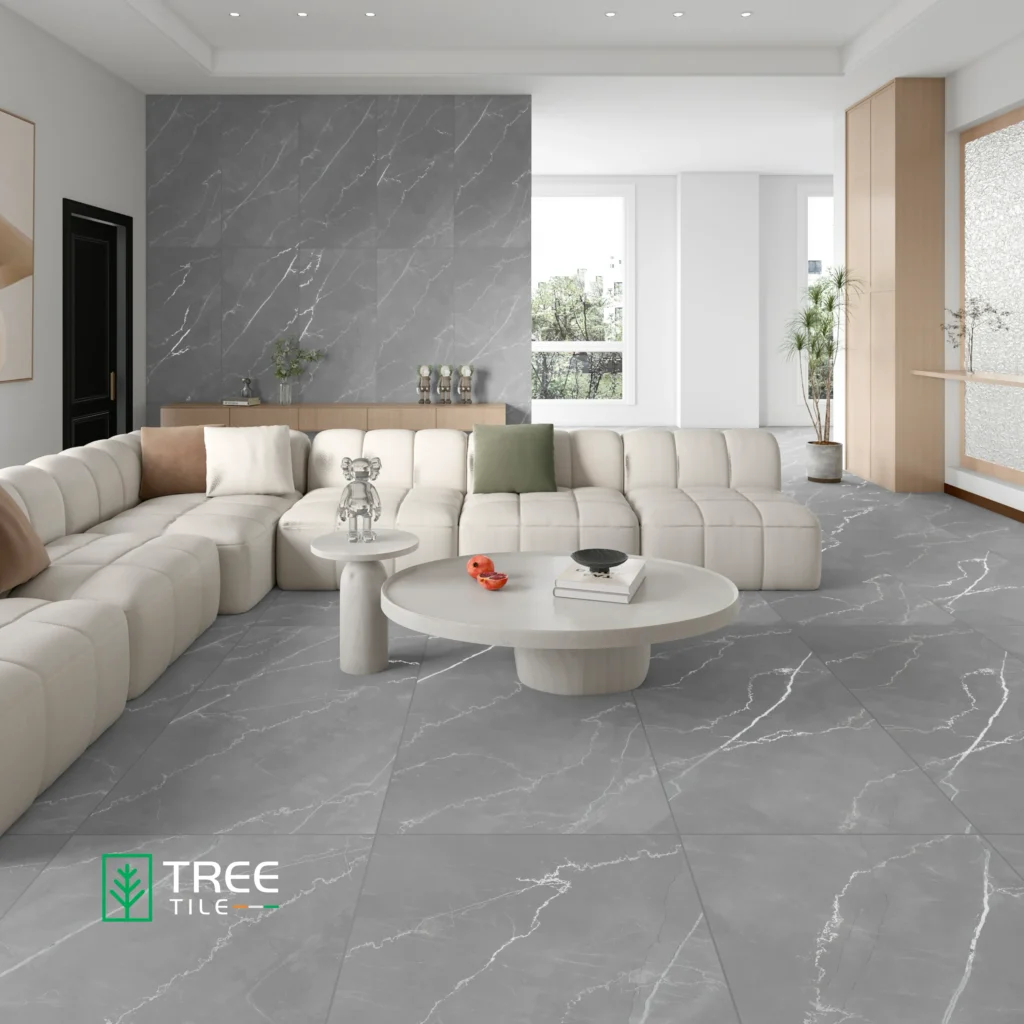
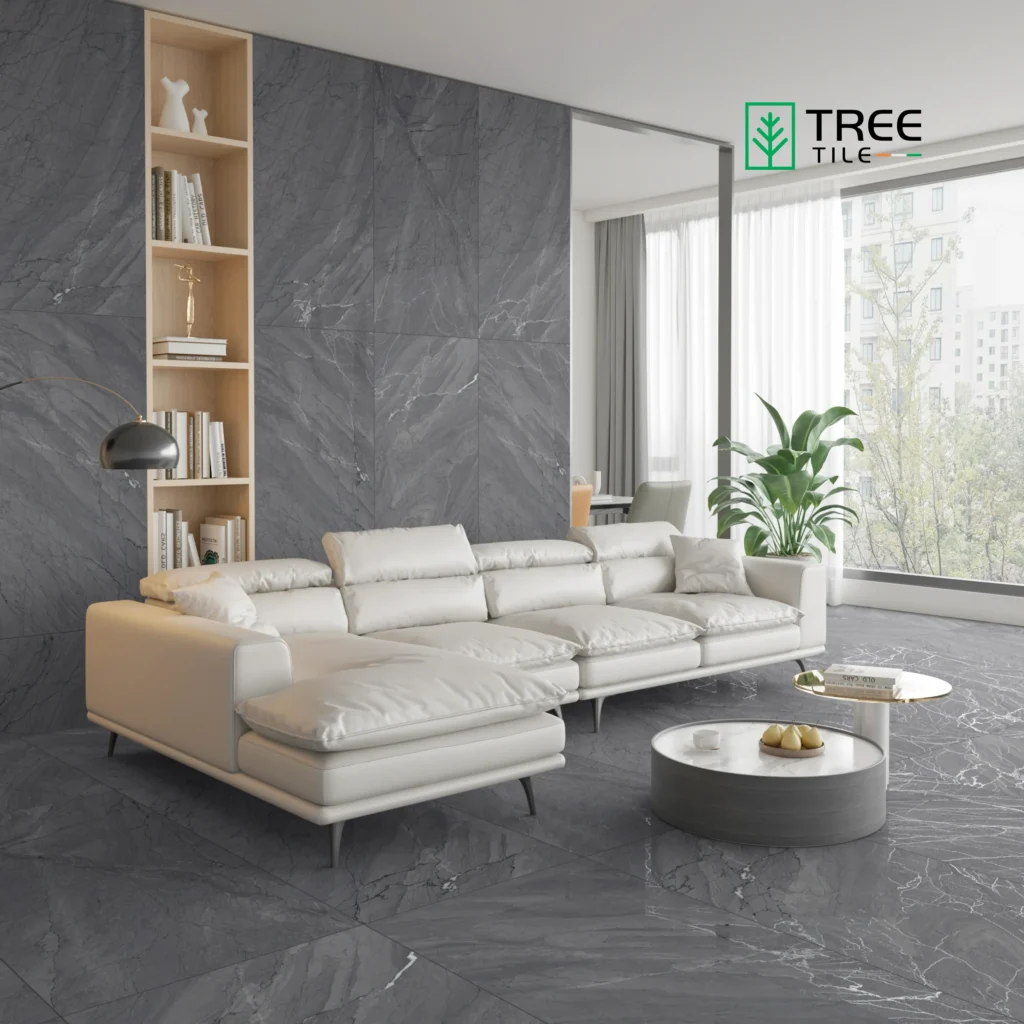
Interior design in 2026 is becoming calmer and more intentional. Homes are moving away from heavy décor and multiple materials, choosing fewer elements that make a stronger impact. As a result, walls are no longer treated as plain backdrops, they are becoming the main surface where design and personality come together.
A well designed wall can shape an entire room without relying on extra décor or bold colours. With cleaner layouts and simpler interiors, walls now carry the visual weight that accessories once did, creating spaces that feel balanced and refined.
Lighting has further strengthened this shift. Natural light and soft artificial lighting highlight texture and shadow, making flat walls feel lifeless while textured surfaces feel alive.
What Are Carving Tiles?
Carving tiles are wall tiles designed with sculpted depth, not flat, printed patterns. Unlike ordinary tiles where the design is only visible on the surface, carving tiles have raised and recessed areas that create real texture. This means the design can be seen, felt, and experienced, especially when light falls on the wall.
The easiest way to understand carving tiles is through a comparison. If flat tiles are like drawings on a wall, carving tiles are more like sculptures. They add dimension and character, allowing walls to feel richer and more expressive without using strong colours or extra décor.
It’s also important to understand what carving tiles are not. They are not 3D wall panels, which are usually lightweight decorative sheets. They are not heavy stone carvings, which require structural support. And they are not floor tiles; carving tiles are created specifically for vertical wall applications, where their texture can be appreciated visually rather than walked on.
Why Carving Tiles Are Becoming a Luxury Choice in 2026
Homes today aim to feel calm and balanced. Rather than relying on strong colours or heavy décor, designers and homeowners are using textured wall surfaces to create visual interest. Carving tiles fit perfectly into this approach, as they add depth and character while keeping the overall look soft and refined.
Another reason carving tiles are gaining attention is the growing influence of hotel like interiors. People want their homes to feel restful and well composed, much like a thoughtfully designed hotel room. Textured walls help achieve this sense of quiet luxury without making spaces feel busy or overwhelming.
Bathrooms, in particular, are being reimagined as personal retreat spaces. Instead of purely functional rooms, they are designed to feel relaxing and comfortable. Carving tiles bring warmth and depth to bathroom walls, creating a spa like atmosphere without the need for shine, gloss, or decorative elements.
How Carving Tile Design Has Changed for 2026 Interiors
Earlier carving tiles were often designed to stand out at any cost. Their patterns were loud, deeply ornate, and visually heavy, which made them difficult to use beyond a single feature wall. While they looked impressive in isolation, they often overpowered the space around them.
Design thinking in 2026 has shifted toward balance and restraint. Today’s carving tiles are created with controlled depth, where texture adds interest without dominating the wall. Instead of sharp, dramatic relief, modern designs rely on softer shadows that change gently with light throughout the day.
Another noticeable change is the move toward clean geometry. Patterns are more structured, calm, and repeatable, allowing carving tiles to blend naturally into contemporary interiors. This makes them easier to use across larger wall surfaces without overwhelming the room.
Carving Tile Trends for 2026 (Wall Design Direction)
Quiet Geometry
Quiet geometry is one of the strongest directions in carving tile design for 2026. These tiles use repeating lines, ribs, or wave like forms to create rhythm on the wall without visual noise. The patterns are designed to catch natural light gently, producing soft shadows that change through the day. This makes them especially suitable for living rooms and bathrooms where a relaxed, balanced atmosphere is desired.
Handcrafted Looking Precision
Another noticeable trend is carving tiles that appear handmade but are produced with high technical accuracy. The designs show slight irregularity in pattern flow, giving walls a natural, crafted feel, while the surface finish remains clean and precise. This balance between softness and control helps interiors feel warm without looking rustic or unfinished.
Monochrome Depth
Monochrome carving tiles rely on a single colour expressed at different surface heights. Instead of contrast or colour variation, depth becomes the main design element. Light and shadow bring the wall to life, allowing the texture to stand out quietly. This approach works well in minimalist interiors where simplicity and refinement are key.
Nature Inspired Abstraction
Nature continues to influence carving tile design, but in a more abstract way. Rather than literal leaves or floral patterns, textures are inspired by elements like stone erosion, sand movement, or flowing water. These designs feel organic without being decorative, making them ideal for spa like bathrooms and calm interior spaces.
Where Carving Tiles Are Actually Used
Carving tiles are most effective when used selectively. Their textured surfaces are designed to add depth and character, which is why they work best on specific wall areas rather than across an entire home. Used thoughtfully, they elevate interiors without making spaces feel heavy.
Living room feature walls are one of the most common applications. A single carved wall can define the seating area and add visual interest without the need for artwork or extra décor.
TV unit backdrops benefit from carving tiles because the texture frames the television and softens the flatness of large screens, creating a more balanced focal point.
In bathrooms, carving tiles are used on both dry and wet walls, especially behind washbasins or in shower areas. Their depth adds warmth and a spa like feel when paired with neutral tones and soft lighting.
Vanity walls are another popular choice, as textured surfaces highlight mirrors and lighting while keeping the design subtle and refined.
At the entrance, foyer walls make a strong first impression. A carved surface here adds character without overwhelming the space.
Bedroom accent walls are used more carefully. Carving tiles work best behind headboards or on limited sections, where texture enhances comfort without distracting from rest.
It’s important to note that carving tiles are not used on floors. Their sculpted surfaces are meant to be seen and felt visually, not walked on. Floor applications require flat, high durability finishes that carving tiles are not designed to provide.
Fewer walls almost always work better than many. Using carving tiles on one or two key surfaces allows the texture to stand out and keeps interiors feeling calm, balanced, and thoughtfully designed.
Carving Tiles in Bathrooms: What People Should Know Before Choosing
Bathrooms are no longer purely functional spaces. In 2026, they are designed to feel calm, comfortable, and personal much like a private retreat. This makes texture an important design choice, but only when it is used thoughtfully.
One common concern with carving tiles is slip and cleaning. When used on walls, carving tiles do not create slip risks, as they are not walked on. Cleaning is also manageable when designs have controlled depth rather than sharp or overly deep grooves. Simple wiping and regular bathroom cleaning routines are usually enough to keep them looking fresh.
Placement plays a key role in how carving tiles perform in bathrooms. Behind washbasins, they create a visually rich backdrop without direct water impact. On shower walls, they add depth and warmth, especially when paired with proper drainage and good ventilation. Bathtub backdrops are another ideal location, where texture enhances the spa like feel without affecting usability.
When it comes to design selection, neutral carving tiles tend to age better than bold patterns. Soft tones and subtle textures remain visually pleasing over time and adapt easily to changing fixtures or lighting. This makes them a safer and more timeless choice for bathroom walls.
Common Myths About Carving Tiles
“Carving tiles are hard to clean.”
This is not entirely true. When carving tiles are designed with controlled depth and used on walls, regular cleaning is usually enough. Modern designs avoid sharp grooves, making them practical for everyday maintenance, especially in interiors and bathrooms.
“They make small rooms look busy.”
Carving tiles can actually make small spaces feel more refined when chosen carefully. Subtle textures, soft patterns, and neutral tones add depth without overwhelming the room. The key is limiting their use to one wall rather than covering multiple surfaces.
“They’re only for luxury homes.”
While carving tiles are often associated with premium interiors, they are not limited to large or high end homes. When used thoughtfully, they work well in compact apartments and modern residences, adding character without the need for expensive décor.
How to Choose the Right Carving Tile for Your Home
Depth vs Room Size
Deeper carving works best in larger rooms where texture has space to breathe. In smaller rooms, opt for shallower patterns to avoid making walls feel crowded.
Pattern Scale
Bigger patterns suit bigger walls or feature areas, while smaller, more delicate patterns work well on compact walls or as subtle accents.
Light Direction
Consider where natural or artificial light hits your walls. Carving tiles play with shadows, so placing them where light can create soft highlights will bring out their texture beautifully.
Wall Size
Using carving tiles on one or two walls creates focus and balance. Covering too many walls can overwhelm a room and reduce the calming effect.
Matte vs Satin Finishes
Matte finishes offer a soft, natural look that hides fingerprints and dust better, while satin finishes add a gentle sheen that highlights texture without being shiny.
How Tree Tile Approaches Carving Tile Design
At Tree Tile, carving tile design begins with understanding real homes; not just showroom displays. Our focus is on creating wall surfaces that bring balance and calm to everyday living spaces, avoiding excess or overly busy patterns.
We design carving tiles that work well in Indian homes of all sizes, keeping in mind local light conditions, wall sizes, and lifestyle needs. This practical perspective ensures our tiles not only look beautiful when installed but continue to feel premium and relevant even years later.
Instead of chasing short lived trends, Tree Tile believes in subtle texture and thoughtful geometry that quietly elevate interiors, making walls a lasting part of the home’s story.
Why Carving Tiles Will Stay Relevant Beyond 2026
Carving tiles are not just a trend, they represent a fundamental shift in how we design walls. Texture is timeless. Unlike colours or patterns that come and go, the play of light and shadow on textured surfaces adds lasting depth and interest.
As more homes embrace minimalism and simplicity, the need for subtle dimension becomes greater. Walls, once mere backgrounds, are now permanent design elements that shape the mood and feel of a room every day.
Carving tiles meet this need perfectly, offering a refined way to bring depth and character without overwhelming a space. Because of this, their appeal will continue well beyond 2026, making them a smart choice for anyone looking to create interiors that stand the test of time.
When a Wall Speaks, the Home Feels Complete
Walls shape our daily experiences more than we realise. From the kitchen to modern bathrooms, surfaces influence comfort, mood, and identity. In today’s interior trends, tiles are no longer just functional materials for walls and floors or floors and walls, they define the overall look and feel of a space.
In 2026 tile and design trends, this shift is clear. Earthy tones like beige, grey, and terracotta bring warmth, while natural textures, tactile surfaces, and a matt finish create quiet sophistication. Through subtle patterned tiles, thoughtful decorative tiles, refined effect tiles, and even hints of retro patterns, walls gain pattern and personality without feeling heavy.
Across homes, from splashbacks in kitchens to feature walls in living areas, porcelain tile, porcelain, and ceramic tiles are chosen not only for durability but for how they age over time. Large format tiles and large-format tiles with minimal grout lines feel calm and expansive, while carefully detailed grout lines allow texture to breathe. Even where bathroom floors differ from walls, balance across walls and floors matters more than ever.
At Tree Tile, this understanding shapes every tile collection. Guided by latest tile trends and evolving tile ideas, each design brings a subtle touch of luxury through restraint. Whether choosing matt tiles or textured surfaces, Tree Tile helps people create homes where walls are not just seen but felt.
Frequently Asked Questions
What are carving tiles used for?
Carving tiles are used on interior and bathroom walls to add texture, depth, and a refined visual finish.
Are carving tiles suitable for bathrooms?
Yes, carving tiles are suitable for bathroom walls, especially behind washbasins, on shower walls, and as bathtub backdrops.
Can carving tiles be used on floors?
No, carving tiles are designed for wall applications only and are not suitable for floors.
Why are carving tiles considered a luxury choice in 2026?
In 2026, carving tiles are seen as luxurious because they add depth and texture without relying on bold colours or shine.
Are carving tiles hard to clean?
Modern carving tiles with controlled depth are easy to maintain with regular wall cleaning.
Why do neutral carving tiles age better than bold designs?
Neutral carving tiles adapt easily to changing interiors and remain visually pleasing over time.