

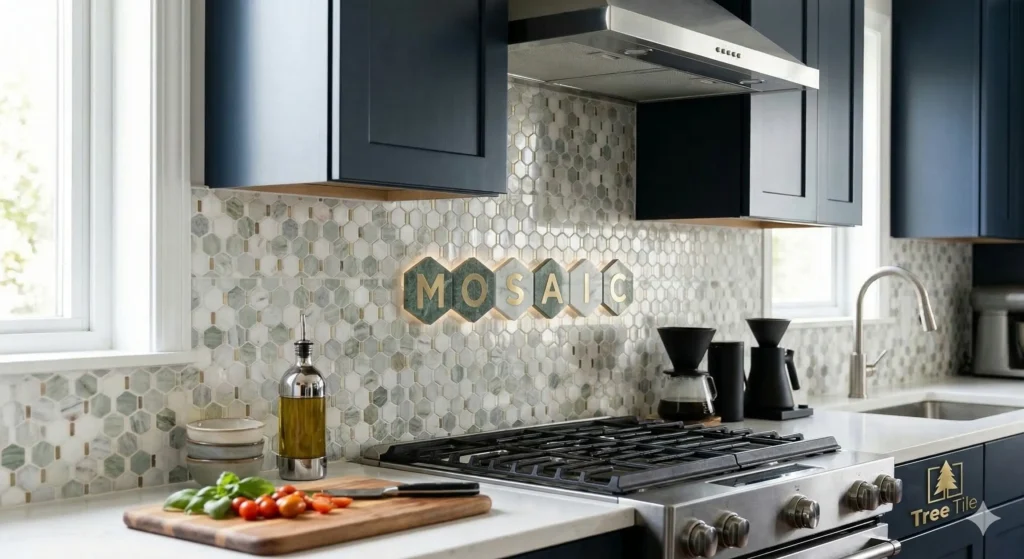
Mosaic Tile for Kitchen: Stylish Mosaic Tile Backsplash Ideas for a Modern Kitchen
- Before We Talk About Style — Why the Kitchen Backsplash Matters More Than People Think
- What Makes Mosaic Tile a Smart Choice for a Kitchen Backsplash
- How Mosaic Tiles Change the Character of a Kitchen Backsplash
- Stylish Mosaic Tile Backsplash Ideas for Modern Kitchens
- How to Choose the Right Mosaic Tile for Your Kitchen
- Where Mosaic Tile Works Best in the Kitchen
- Simple Tips for Installing a Mosaic Kitchen Backsplash Tiles
- The Quiet Design Power of Small Tiles
- How Modern Tile Brands Are Improving Mosaic Tile Quality
- Small Tiles, Big Impact in Kitchen Design — The Tree Tile Approach to Modern Kitchens
- FAQs
- Bonus Insight: The 5 Details That Instantly Reveal a Well Designed Mosaic Tile Kitchen
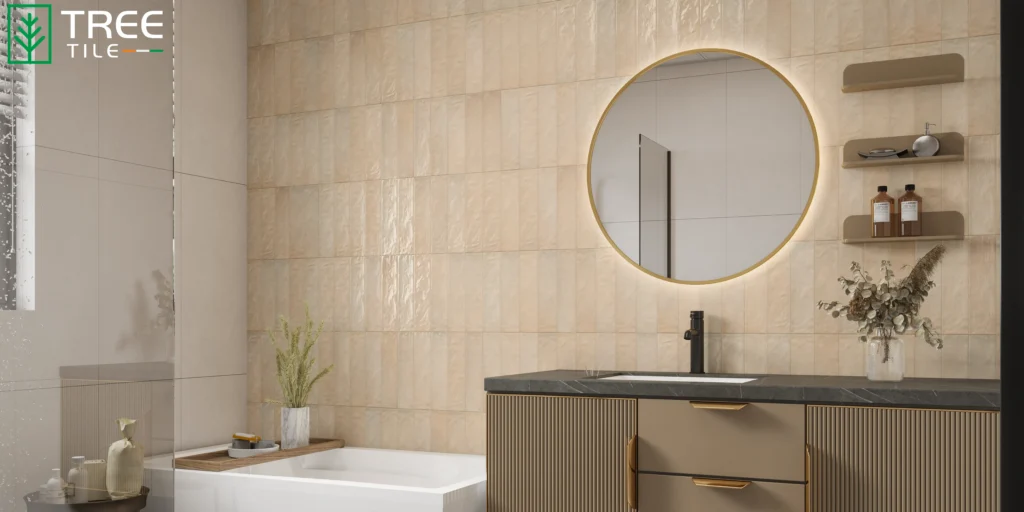
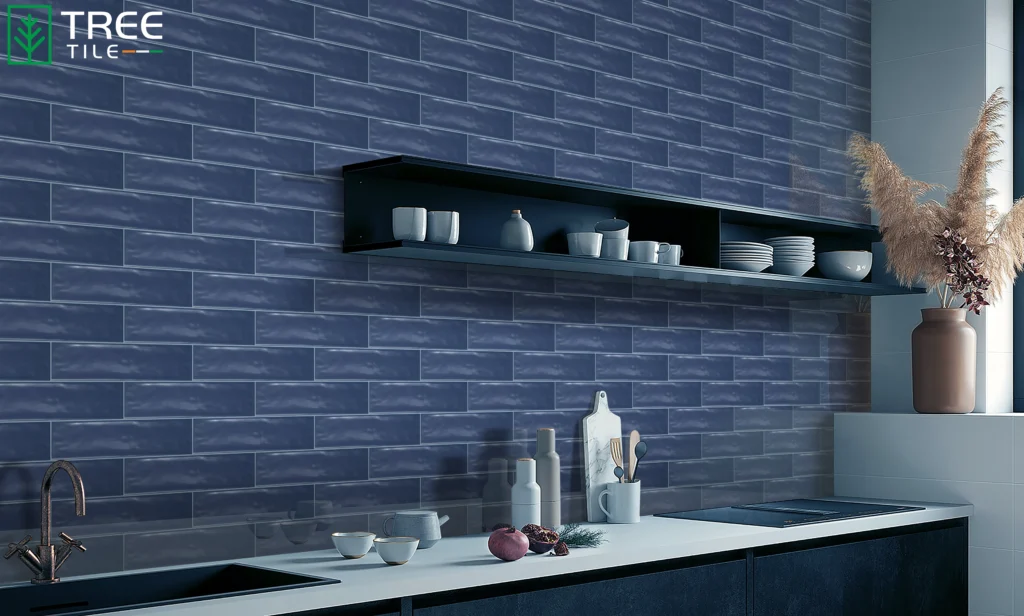


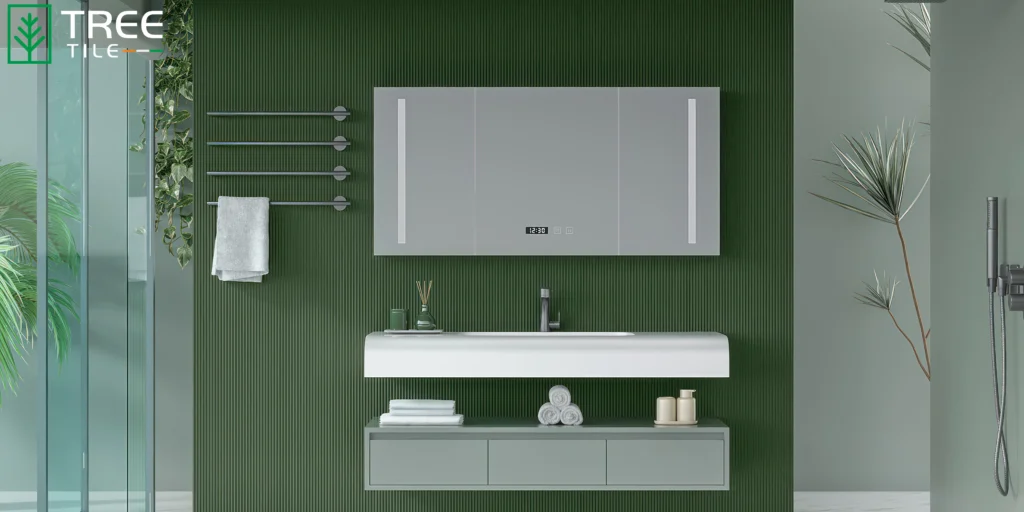
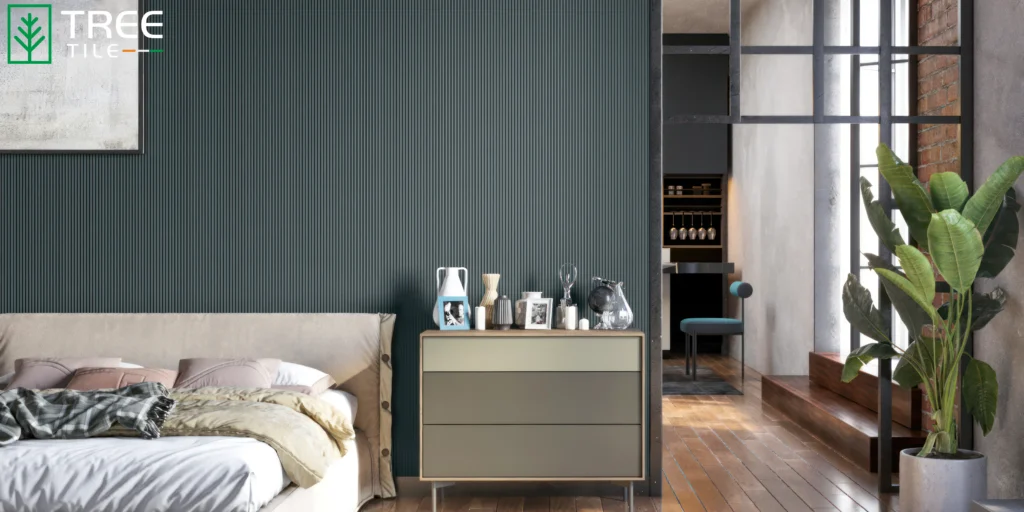
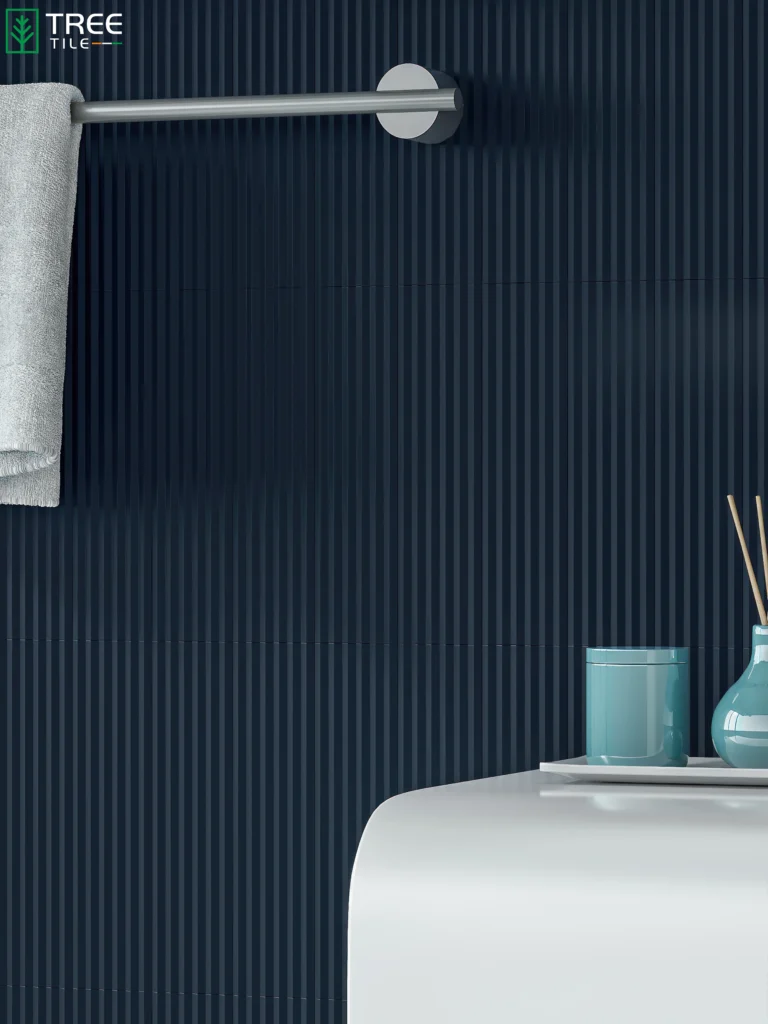
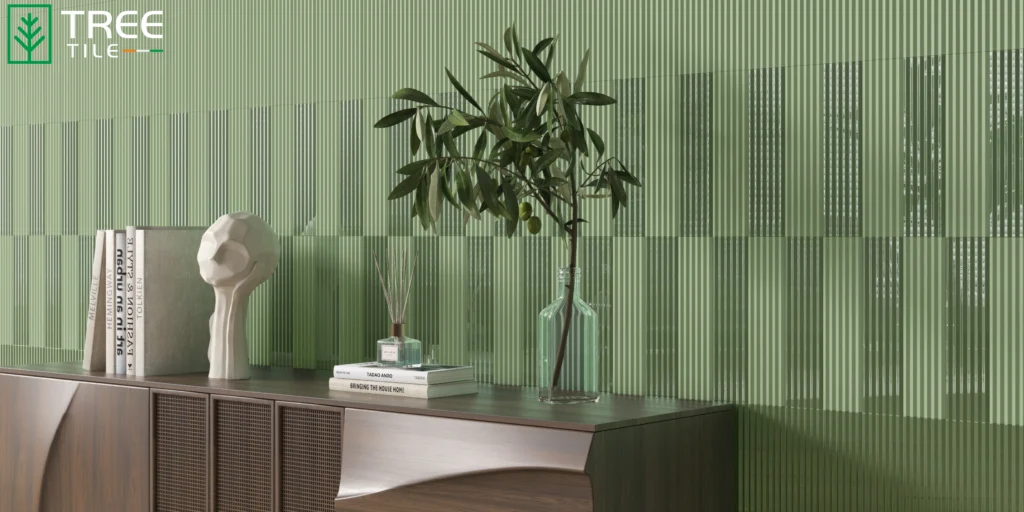

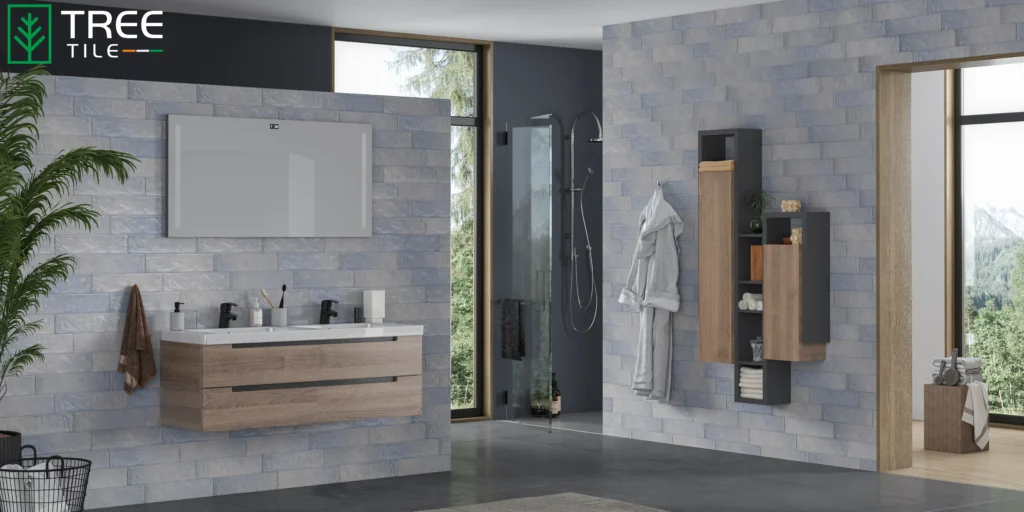
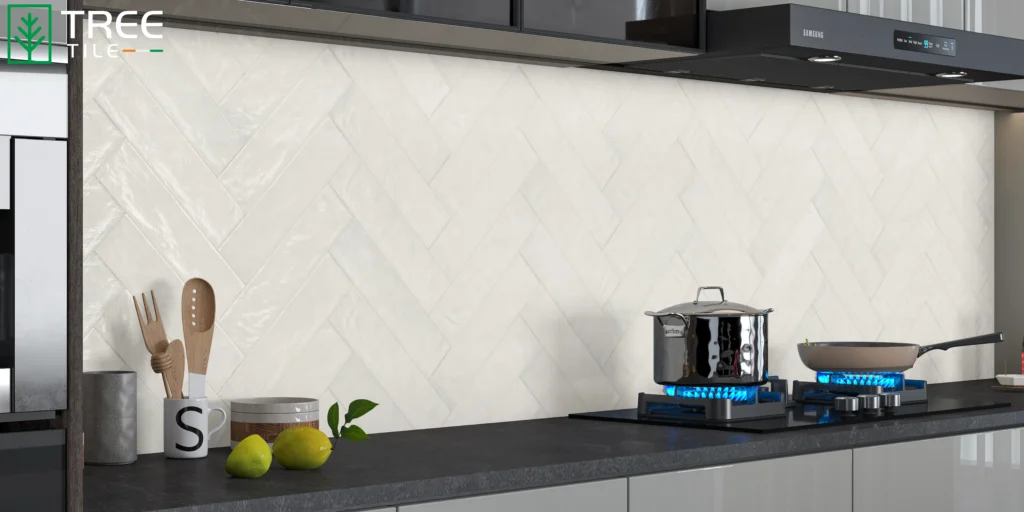
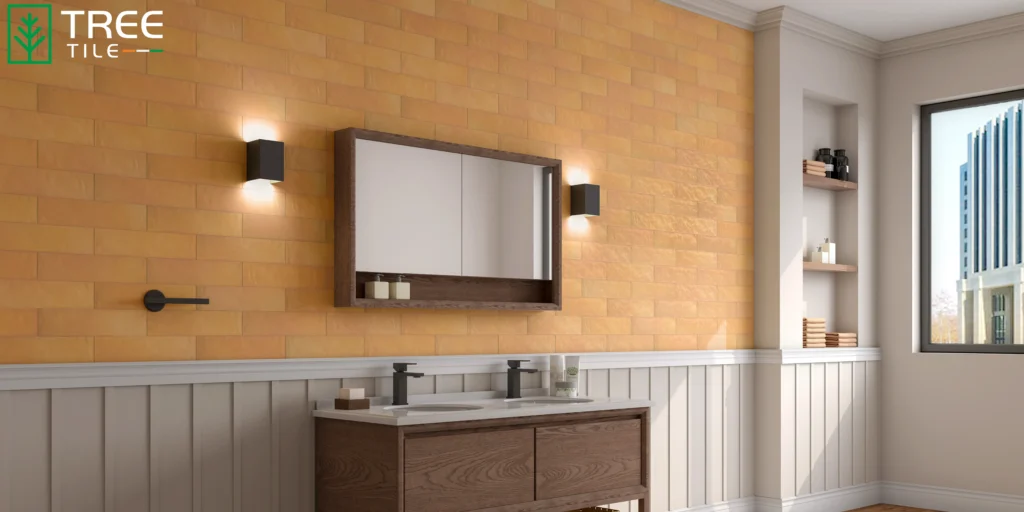
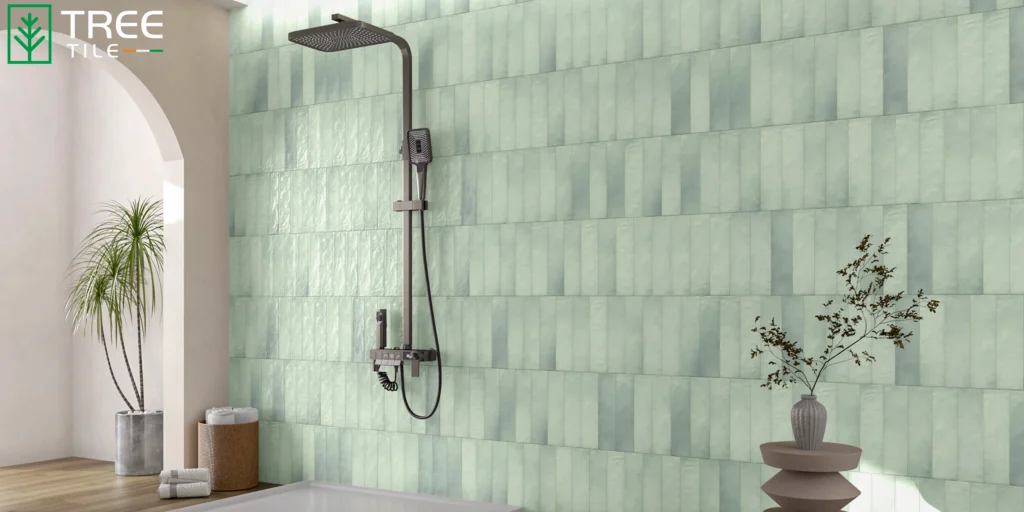
Behind this guide is the perspective of Tree Tile, a company built around deep experience in ceramic and porcelain tile design and manufacturing. As a recognized 1 Star Export House awarded by the Government of India, Tree Tile brings practical industry knowledge to modern kitchen surfaces, including the growing demand for mosaic tile kitchen backsplashes. With a focus on quality materials, thoughtful design, and reliable manufacturing standards, Tree Tile approaches mosaic tile not just as decoration but as a functional surface that enhances both the durability and visual character of contemporary kitchens.
Before We Talk About Style — Why the Kitchen Backsplash Matters More Than People Think
In many kitchens, the backsplash quietly does two important jobs at the same time. It protects the wall behind the stove and sink from water, oil splashes, and daily cooking stains, while also becoming one of the most visible surfaces in the entire kitchen. Because it sits right at eye level, even small design choices in the backsplash can change the overall mood of the space; making the kitchen feel brighter, calmer, or more refined. This is where mosaic tile becomes especially valuable. Its small format allows creative patterns and detailed layouts, while materials like ceramic and porcelain provide the durability needed for everyday kitchen use. This is exactly why mosaic tile has become one of the most practical and visually interesting choices for kitchen backsplashes today.
What Makes Mosaic Tile a Smart Choice for a Kitchen Backsplash
Flexible Design Possibilities
One of the biggest advantages of mosaic tile is its flexibility in design. Because the tiles are small, they allow more detailed layouts and patterns compared to larger tiles. This makes it easier to create visually interesting backsplashes without needing complicated cutting or adjustments. Mosaic tiles also adapt well to areas that are difficult to cover with larger tiles, such as corners, electrical sockets, and curved surfaces, making installation more practical in real kitchens.
Strong Surface for Everyday Kitchen Use
A kitchen backsplash must handle everyday conditions such as heat from cooking, water splashes from the sink, food stains, and regular cleaning. Mosaic tiles made from ceramic or porcelain are designed to withstand these conditions when installed correctly. Their surfaces are generally resistant to moisture and heat, and they can be cleaned easily with standard household cleaners.
Works in Both Small and Large Kitchens
Mosaic tiles can work well in kitchens of different sizes. In smaller kitchens, lighter mosaic colors and reflective surfaces can help the space feel brighter and visually more open. In larger kitchens, mosaic backsplashes add texture and detail without dominating the overall design. Because the tiles are small, they introduce subtle visual interest that complements cabinets, countertops, and appliances rather than overwhelming them.
How Mosaic Tiles Change the Character of a Kitchen Backsplash
Texture That Flat Tiles Cannot Create
Unlike large flat tiles, mosaic tiles introduce natural texture to the backsplash surface. Because they consist of many small pieces placed closely together, they create subtle shadow lines between the tiles. These small variations add depth to the wall, making the backsplash feel more detailed and visually layered rather than completely flat.
Light Reflection That Brightens the Kitchen
Another interesting quality of mosaic tiles is how they interact with light. Since each small tile has its own surface angle, light reflects across multiple directions instead of bouncing from a single large surface. This can make the kitchen backsplash appear brighter and more dynamic, especially when natural or under cabinet lighting hits the tiles.
Controlled Color Variation
Mosaic tiles also allow designers to work with multiple shades within a compact area. Instead of using a single color across the backsplash, mosaics can blend slightly different tones together. This controlled variation creates visual interest while still maintaining a balanced look that complements cabinets, countertops, and other kitchen elements.
Stylish Mosaic Tile Backsplash Ideas for Modern Kitchens
Calm Neutral Mosaic Backsplash
Neutral shades such as white, beige, and light grey are often chosen for modern kitchens because they create a clean and balanced environment. A neutral mosaic backsplash blends easily with different cabinet finishes and countertop materials, allowing the kitchen to feel bright and uncluttered.
Natural Stone Inspired Mosaic Look
Mosaic tiles inspired by materials like marble, travertine, or other natural surfaces offer this refined look while remaining practical for backsplash areas. These designs bring soft patterns and organic textures to the wall, creating a sophisticated atmosphere that pairs well with modern and classic kitchens alike.
Geometric Mosaic Patterns
For kitchens with a contemporary architectural style, geometric mosaic patterns can introduce visual structure to the backsplash. Shapes such as hexagon, diamond, and linear mosaics create organized patterns that feel modern and intentional.
Glass Look Mosaic Highlights
Mosaic tiles with a glass like finish are often used to enhance brightness in cooking areas. Their reflective surfaces help bounce light around the kitchen, especially when placed under cabinet lighting or near windows. This makes the backsplash appear more vibrant while adding a sleek and polished touch to the space.
Mixed Tone Mosaic Tiles
Another interesting approach is using mixed tone mosaic tiles, where several shades of the same color family appear within one surface. This subtle variation creates gentle movement across the backsplash without making the design feel busy. Mixed tones help the backsplash connect naturally with other kitchen elements, resulting in a cohesive and visually balanced space.
How to Choose the Right Mosaic Tile for Your Kitchen
Match the Mosaic With Your Countertop
Your backsplash and countertop should work together, not compete.
Two simple ways to approach this:
Contrast Approach – Dark countertop + light mosaic backsplash (creates clear visual separation)
Harmony Approach – Similar shades in both surfaces (creates a calm and seamless kitchen look)
Tip: Take a tile sample near your countertop before deciding.
Consider Lighting in the Kitchen
Lighting can completely change how a mosaic backsplash looks.
Three types of kitchen lighting affect tiles:
Natural daylight – shows the true color of the tile
Ceiling lighting – highlights the tile surface and texture
Under cabinet lighting – enhances reflection and shine
Tip: Always view mosaic tiles under your kitchen lighting conditions before choosing.
Think About Cleaning and Maintenance
Kitchen backsplashes face daily splashes, stains, and heat, so easy maintenance matters.
Practical choices to consider:
Smooth tile surfaces – easier to wipe clean
Quality grout – prevents stains between tiles
Proper sealing (if needed) – helps maintain long term appearance
Tip: A well chosen mosaic tile backsplash should look beautiful and remain easy to maintain in everyday kitchen use.
Where Mosaic Tile Works Best in the Kitchen
Full Kitchen Backsplash Wall
One of the most common and effective uses of mosaic tile is across the entire backsplash area.
Typical placement:
From the countertop to the bottom of the upper cabinets
Around sink and preparation areas
Along the main kitchen wall
Result: A continuous mosaic backsplash creates a clean, unified kitchen surface while protecting the wall from everyday splashes.
Stove Feature Area
The space behind the cooktop is often the visual center of the kitchen, making it an ideal place for mosaic tile.
Why it works well here:
Adds visual focus behind the stove
Handles heat and cooking splashes
Breaks the monotony of large wall surfaces
Result: A mosaic backsplash behind the stove creates a natural focal point in the kitchen design.
Kitchen Island Accent
Mosaic tiles can also be used as decorative accents on kitchen islands.
Common applications include:
Small mosaic panels on the side of the island
Decorative strips along the island base
Accent sections that connect with the backsplash design
Result: This approach adds texture and personality to the kitchen without overwhelming the overall design.
Simple Tips for Installing a Mosaic Kitchen Backsplash Tiles
Use the Right Tile Adhesive
- Always use a quality tile adhesive suitable for kitchen walls.
- It helps the mosaic sheets stick firmly and stay aligned during installation.
- Proper adhesive also improves long term durability in areas exposed to moisture and heat.
Make Sure the Wall Surface Is Flat
- The wall should be clean, dry, and even before installation.
- Uneven walls can cause mosaic sheets to sit at different heights, making the backsplash look irregular.
- A smooth wall helps the tiles align neatly and look professional.
Maintain Consistent Grout Spacing
- Keep equal spacing between all tiles during installation.
- Consistent spacing ensures the mosaic pattern looks balanced and organized.
- Irregular spacing can make even high quality tiles look poorly installed.
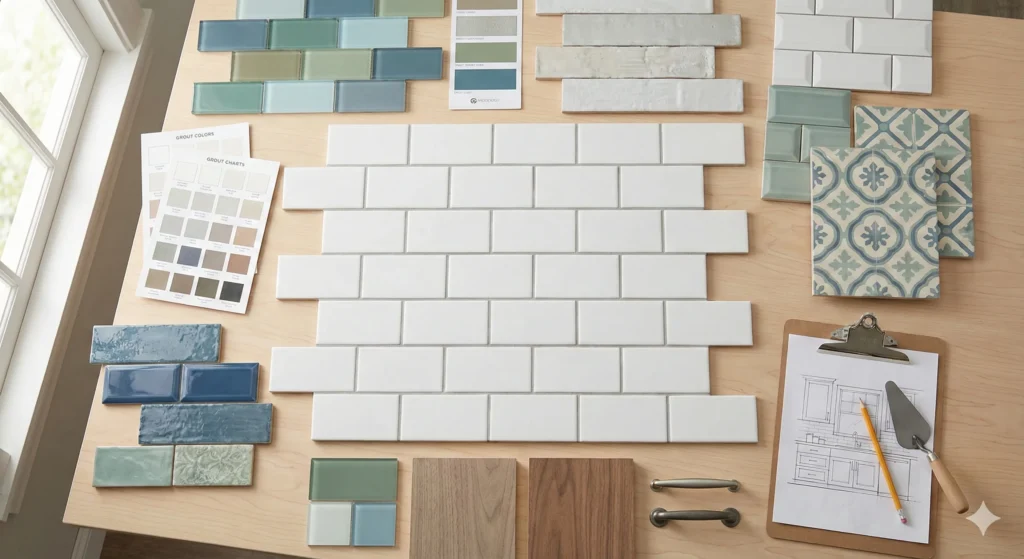
Choose Grout Color Carefully
Grout color has a strong influence on the final appearance of the backsplash.
Two common approaches:
- Matching grout color – blends with the tiles for a smooth and subtle look.
- Contrasting grout color – highlights each tile and emphasizes the mosaic pattern.
A thoughtful grout choice can either soften the design or make the tile pattern stand out more clearly.
The Quiet Design Power of Small Tiles
In kitchen design, tile size quietly influences how a space feels.
Large tiles usually create wide, calm surfaces with fewer visual breaks. They make walls appear smooth and minimal.
Small tiles, however, create visual rhythm. Because mosaic tiles are made of many small pieces, they introduce gentle patterns and movement across the backsplash.
This subtle rhythm helps the backsplash do more than just protect the wall.
A mosaic backsplash can:
- Guide the eye naturally across the kitchen wall
- Add fine detail without covering a large area
- Balance stronger elements like cabinets, countertops, and appliances
The result is a surface that feels visually active but not overwhelming, which is why small tiles often bring a quiet but important design character to modern kitchens.
How Modern Tile Brands Are Improving Mosaic Tile Quality
The tile industry has advanced through better manufacturing technology, improved firing processes, consistent tile thickness, and refined surface finishes. These improvements help mosaic tiles become more durable, visually precise, and easier to install in kitchen spaces. Modern brands focus on combining design with performance, ensuring tiles work well in everyday conditions. Tree Tile follows these evolving standards by producing ceramic and porcelain mosaic tiles that balance design versatility with practical durability for modern kitchens.
Small Tiles, Big Impact in Kitchen Design — The Tree Tile Approach to Modern Kitchens
Kitchens are used every day, so every surface matters. A well-designed backsplash protects the wall while enhancing the kitchen’s ambiance and aesthetic appeal. With thoughtful mosaic design, small tiles can create intricate patterns, subtle motif details, and finishes like glossy or matte that add vibrancy and quiet elegance. Options such as white glass mosaic, soft green and blue tones, or subway inspired layouts create an eye-catching, timeless look that is also easy to clean, water-resistant, and stain-resistant.
Beyond backsplashes, mosaic tiles can also elevate spaces through a smart selection of mosaic floor tiles, a decorative mosaic wall, or accents used during a kitchen remodel. Their one-of-a-kind texture works well even in a high-traffic area, creating a perfect fit that leaves a lasting impression. When design flexibility meets reliable manufacturing, mosaic tile becomes more than decoration; it becomes a lasting part of how a kitchen functions and feels.
FAQs
Are mosaic tiles good for kitchen backsplashes?
Yes. Mosaic tiles handle moisture, heat, and frequent cleaning, making them practical for backsplash areas.
Which mosaic tile color works best in kitchens?
Neutral shades such as white, grey, and beige are popular because they match many countertop materials.
Are mosaic tiles difficult to clean in kitchens?
No. With proper grout sealing and regular wiping, mosaic backsplashes are easy to maintain.
Bonus Insight: The 5 Details That Instantly Reveal a Well Designed Mosaic Tile Kitchen
Balanced Pattern – Mosaic layout looks organized, not random
Clean Grout Lines – Even spacing makes the backsplash look professional
Light Reflection – Tiles brighten the kitchen instead of dulling it
Color Harmony – Mosaic shades connect with cabinets and countertops
Texture Depth – Small tiles create subtle shadows that add character
When these five elements come together, the backsplash quietly becomes the most refined surface in the kitchen.